24×7 Helpline 1800 000 000

Social Service

The work that does not photograph well and rarely gets funded — ration for a household that has run out, a widow's pension application, an old man nobody visits.

7,800Ration kits distributed in 2025–26
620Elderly people visited regularly
410Women trained in a livelihood skill
1,150Entitlement applications filed successfully
What we run

Four areas of welfare work

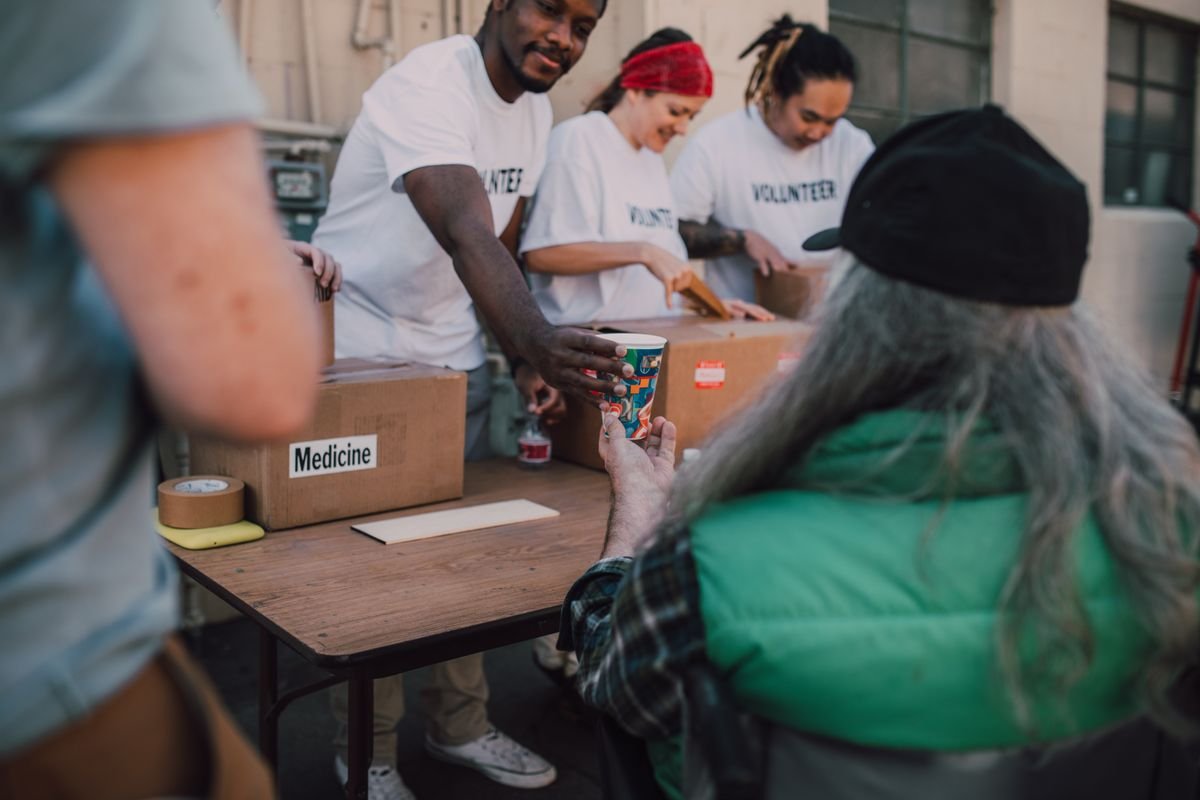
Volunteers at a distribution
Ongoing

Ration & relief

A month's dry ration for households that have run out — usually after a medical emergency, a death, or lost daily-wage work. Referrals come from our own volunteers and from anganwadi workers who know exactly which door to knock on.

Our rule: nobody is asked to queue in public or be photographed to receive a kit.
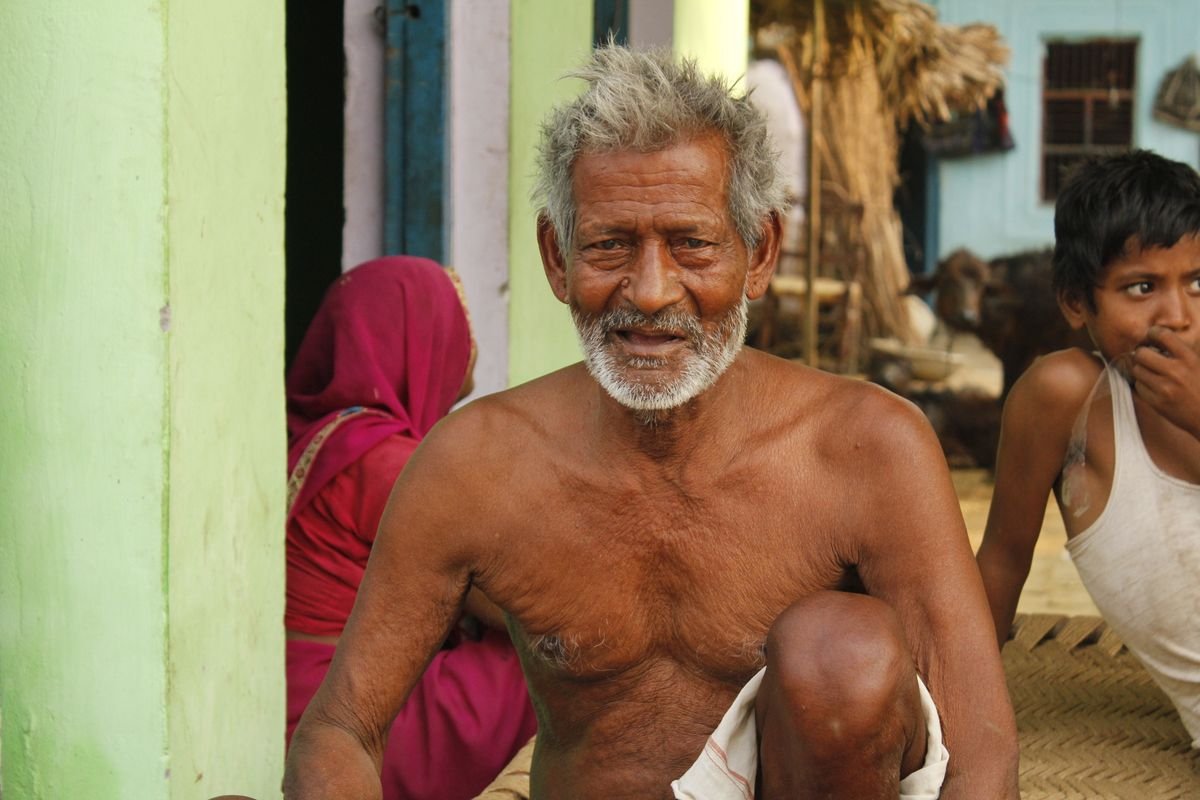
An elderly man in a village
Ongoing

Elderly care

Weekly visits to older people living alone, mostly widows whose children have migrated for work. Medicines, a health check, help with pension paperwork — and, more than anything else, an hour of company.

What they actually ask for: not money. Someone to talk to, and help getting a pension they are already entitled to.

A livelihood training session
Growing

Women's livelihood training

Tailoring, food processing and retail basics, run in three-month batches with self-help groups. Training is paired with the unglamorous parts — a bank account, a smartphone payment app, and a first customer.

Measured by: income twelve months later, not attendance on the last day.

A community gathering
On call

Disaster & emergency response

Floods, heatwaves and local emergencies. Our volunteer network was built during the pandemic and can be mobilised in a day, which is the only reason we can do this at all.

What we do not do: arrive in areas where established relief agencies are already working. Duplicated relief helps nobody.

Why a donation organisation does ration drives

It is a fair question, and we get asked it by donors who would prefer we concentrated on one thing.

The honest answer has two parts. The first is that this work came first — the Foundation was doing relief and education before it ever ran an organ donation camp, and we are not going to abandon communities because our focus shifted.

The second is more practical. Organ donation awareness only works where there is trust, and trust is not built by a stall at a one-day camp. It is built by being the organisation that turned up when a family had nothing to cook, that helped a widow get the pension she was owed, that visited an old man every week for two years.

When we come back and ask a family to consider something as difficult as organ donation, we are not strangers. That is not a side benefit of the welfare work. It is the mechanism.

Entitlement support

A large share of what we do is not charity at all — it is helping people claim things the state already owes them. Widow pensions, disability certificates, ration card corrections, scholarship applications, insurance claims.

These fail for ordinary reasons: a name spelled differently across two documents, a form that now has to be submitted online, an office that is open when a daily-wage worker cannot afford to miss a shift. A volunteer who knows the process can resolve in an afternoon what a family has been stuck on for a year.

Support the work that makes the rest possible

Unrestricted donations fund this programme, because almost nobody earmarks money for ration kits and pension forms.