
24×7 Helpline 1800 000 000

Health Programmes

Screening, awareness and access, delivered in the blocks where the nearest working clinic is an hour away and the nearest specialist is a day away.

124Health camps held in 2025–26
18,400People screened
2,150Units of blood collected
31Blocks covered across Uttar Pradesh
What we run

Four health programmes

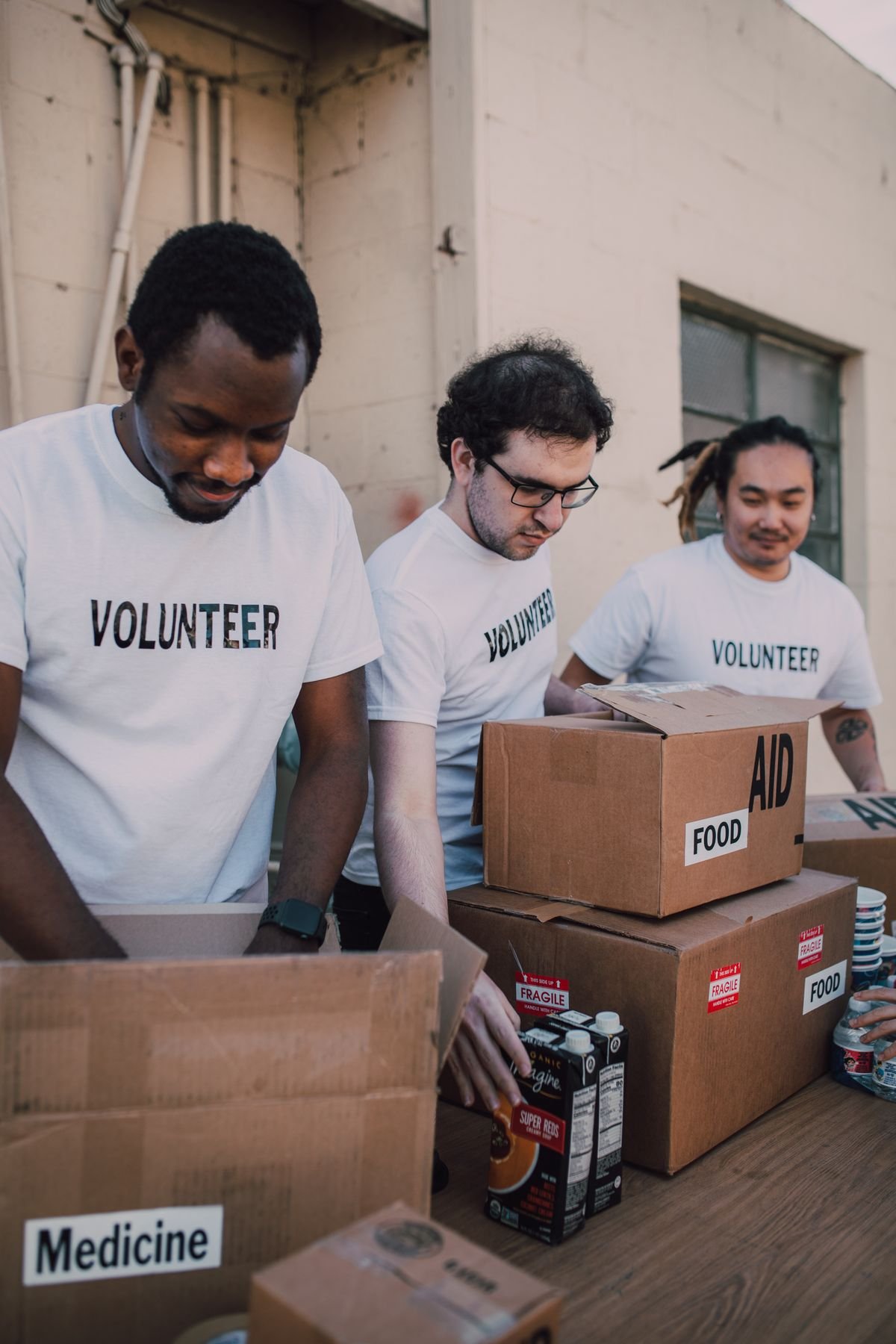
Volunteers preparing medical supplies
Flagship

Mobile health camps

A doctor, two nurses and a lab technician spend a day in a village. Blood pressure, blood sugar, haemoglobin, basic eye checks and a consultation — free, with no registration required.

Why it matters: most people we screen have never had their blood pressure taken. Around one in six is referred onward for something they did not know they had.
A clinician with a patient
Year-round

Kidney & diabetes screening

Chronic kidney disease is usually silent until it is advanced, and by then dialysis or transplant are the only options left. We screen for it directly in high-risk groups.

Why it matters: catching kidney disease early is the only intervention that reduces the transplant waiting list from the other end.

A blood donation drive
Monthly

Blood donation drives

Run with licensed blood banks in colleges, workplaces and housing societies. We handle mobilisation and logistics; the blood bank handles collection and storage.

Why it matters: a regular blood donor is far more likely to pledge their organs. It is the same instinct, and a much easier first step.

An awareness session
Flagship

Organ donation awareness

Sessions in colleges, workplaces, housing societies, faith institutions and RTO offices — in Hindi, Awadhi and English, with a trained counsellor present to answer hard questions properly.

Why it matters: it is the reason the Foundation exists. Read why.

How a camp runs

One day, start to finish

1

Two weeks before — the community asks

We do not arrive uninvited. A panchayat, school, society or self-help group requests a camp, and commits to providing a venue and mobilising people.

2

One week before — mobilisation

Volunteers go door to door. Announcements at the temple, mosque, school and market. This is the part that decides whether forty people come or four hundred.

3

On the day — screening and consultation

Registration, vitals, tests, then a consultation. Anyone needing follow-up leaves with a written referral and the name of a specific person to ask for.

4

Two weeks after — follow-up calls

Every referred patient gets a call. Did you go? What happened? This step is skipped by most camp programmes, and it is where most of the actual value sits.

The health work is how we earn the harder conversation

A family that has been screened, referred and followed up will listen when we come back to talk about organ donation.