
24×7 Helpline 1800 000 000

Education

Most children we work with are not out of school. They are in school and learning very little, which is a harder problem and a quieter one.

1,240Children in our programmes
18After-school learning centres
86%Of sponsored girls continued past Class 10
340Children sponsored end-to-end
The problem

Enrolment is not the same as learning

Almost every child in the communities we work in is enrolled somewhere. That was the hard-won achievement of the last twenty years, and it is real. But enrolment was the easy half.

What we find when we test children is that a substantial share in Class 5 cannot read a Class 2 text, and cannot do division. They are sitting in classrooms, being moved up a grade every year, falling further behind the curriculum each time. By Class 8 the gap is unbridgeable, and they drop out — and it gets recorded as a dropout problem rather than a teaching problem.

Our programmes target the gap, not the grade. We teach children at the level they are actually at, which sounds obvious and is startlingly rare.

What we run

Four education programmes

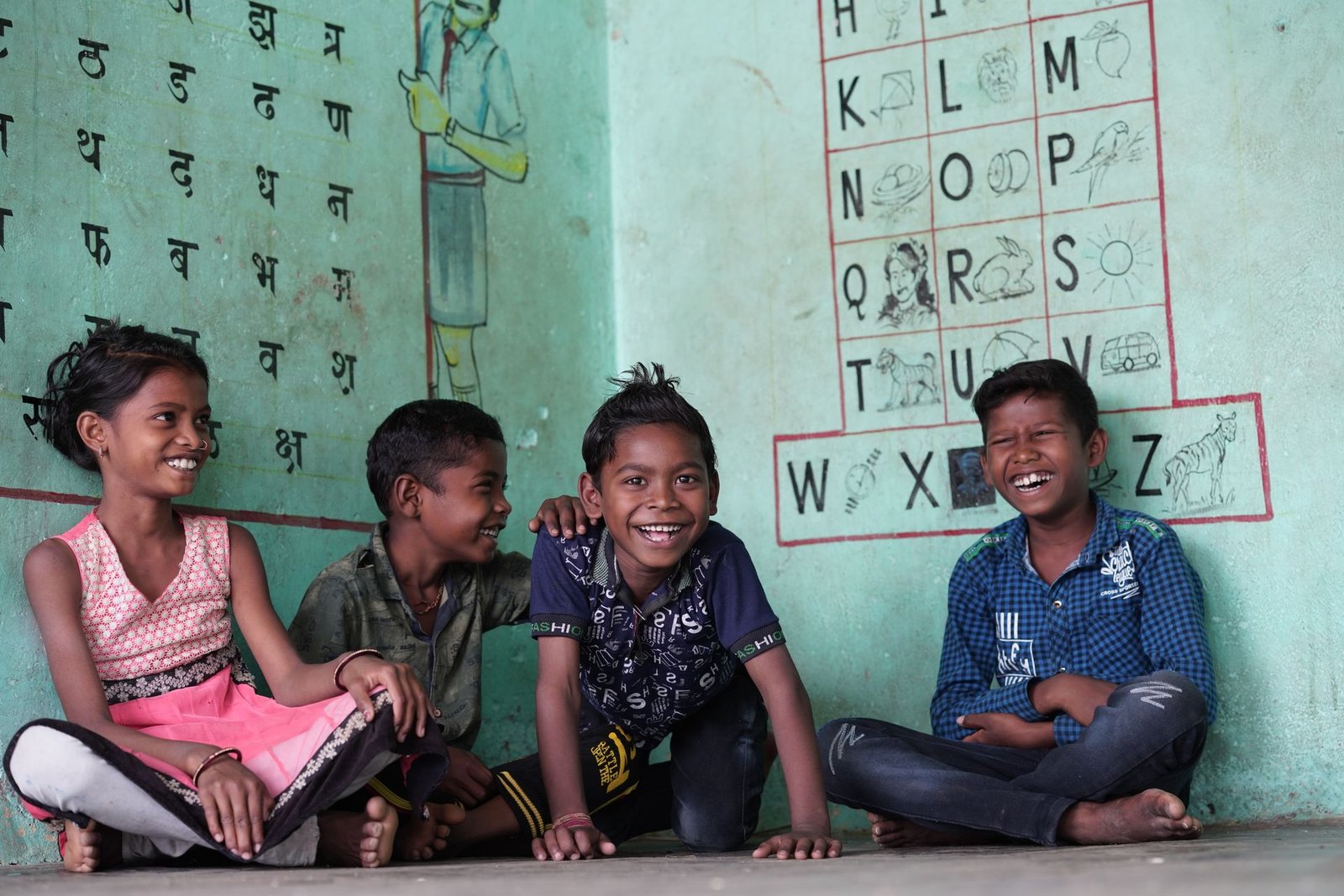
Children at a learning centre
Flagship

After-school learning centres

Two hours a day, six days a week, in a rented room in the community. Children are grouped by what they can actually do rather than by age, and move up when they are ready.

Measured by: a reading and arithmetic assessment at entry and every quarter. We publish the results including where they are poor.
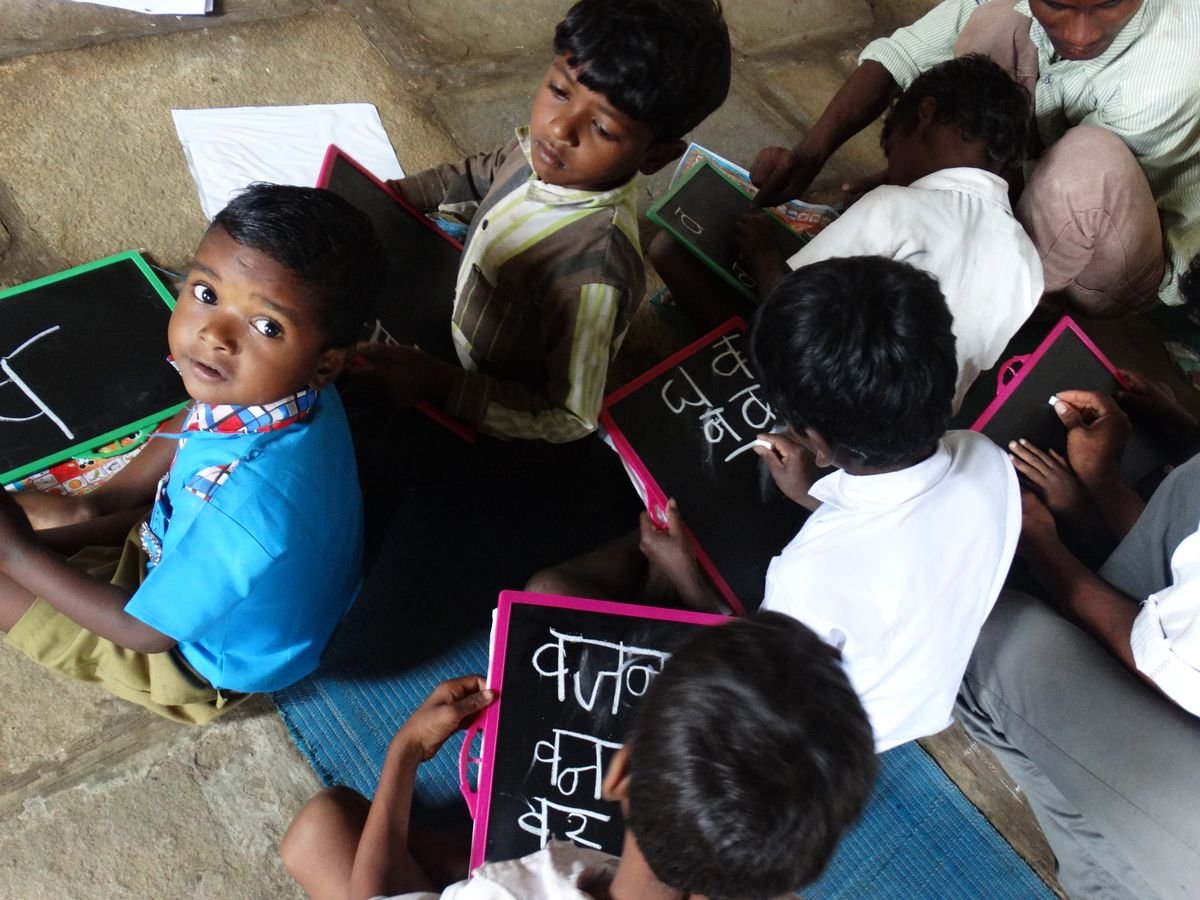
Children writing
Sponsorship

Sponsor a child

₹6,000 covers one child's fees, books, uniform and materials for an academic year. Sponsors receive a progress report twice a year.

How we select: household income and the risk of the child being pulled out — usually a girl, usually after Class 8.

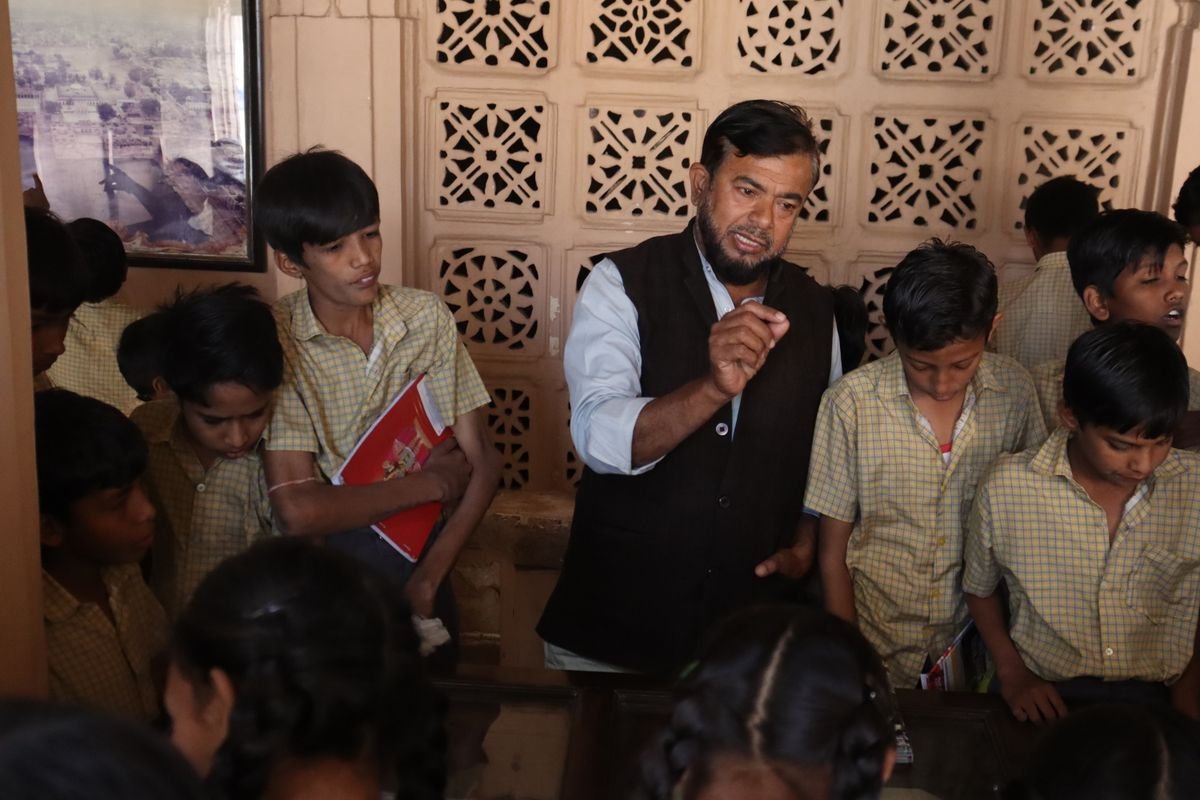
A classroom session
Priority

Keeping girls in school

The drop-off is sharp and predictable: around Class 8, when distance, safety, menstruation and household work combine. We work on all four at once — transport, sanitary provision, a female mentor, and direct negotiation with parents.

Why it matters: nothing else we do in education moves the numbers as much as keeping a girl enrolled for three more years.

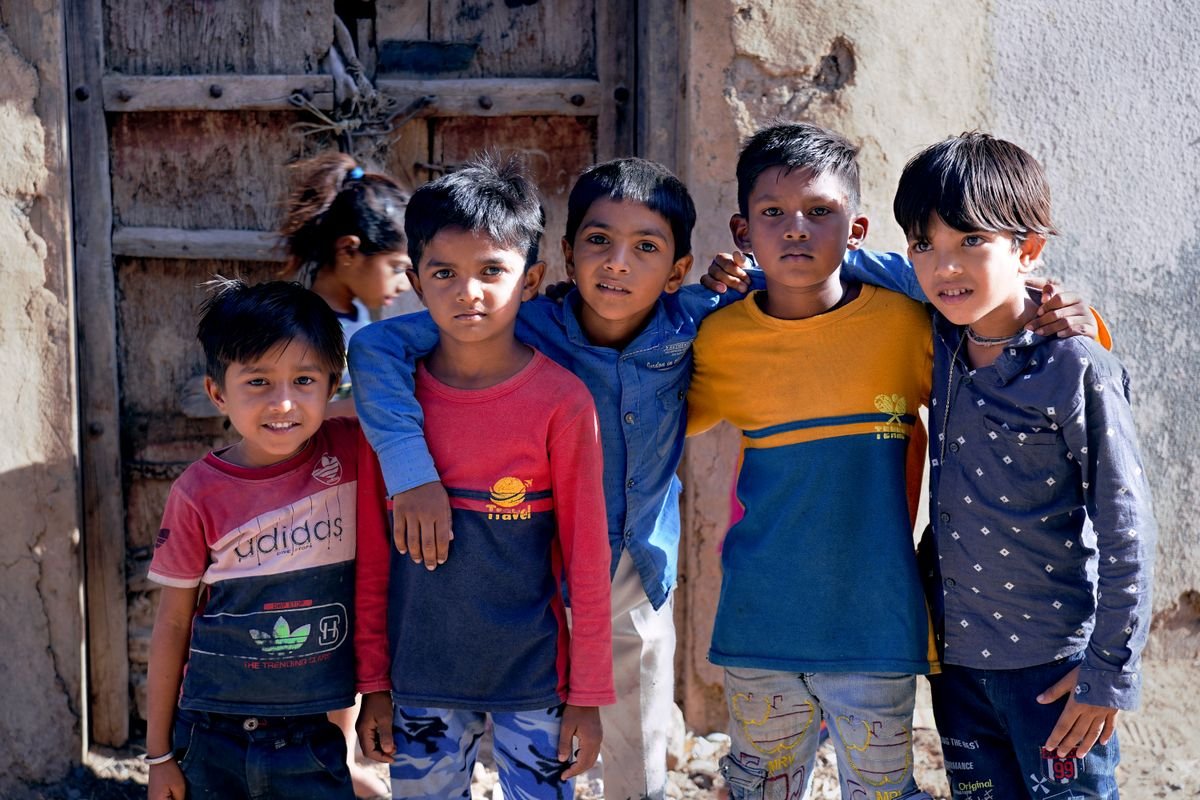
Children outside a school
Growing

Digital literacy

Basic computer skills, using a smartphone for something other than video, filling government forms online, and spotting a scam. Taught to older students and to their parents in separate sessions.

Why it matters: most entitlements these families are owed now require an online form.

Honesty

What has not worked

Most NGO websites only list successes. Here is what we got wrong, because it is more useful.

Distributing tablets

We handed out tablets in 2022 assuming access was the barrier. Most went unused, several were sold, and the children who benefited were the ones already doing well. We stopped, and put the money into teaching hours instead.

One-off scholarship grants

A single year of fees does not change a trajectory — the child drops out the following year and everyone has wasted their time. Sponsorship is now multi-year or we do not offer it.

Running centres too far apart

We opened centres across four districts too quickly and could not supervise them properly. Quality varied enormously. We consolidated back to two districts and only expand where we can visit weekly.

Fund a year of school for one child

₹6,000, one child, one year. You will hear how it went twice, whether or not it went well.